
Outside of Refrigerator Hot or Sweating
Is the outside of your refrigerator hot to the touch, or sweating with condensation? Warm sides can be normal — but painfully hot walls or heavy sweating mean your fridge is overworking or leaking cold air. We are Olathe Refrigerator Pros, and our own technicians diagnose hot and sweating refrigerators across Olathe and Johnson County. If the same problem returns within 3 days of our repair, we come back and re-repair it free. Call (913) 412-0164 — we answer 24/7.

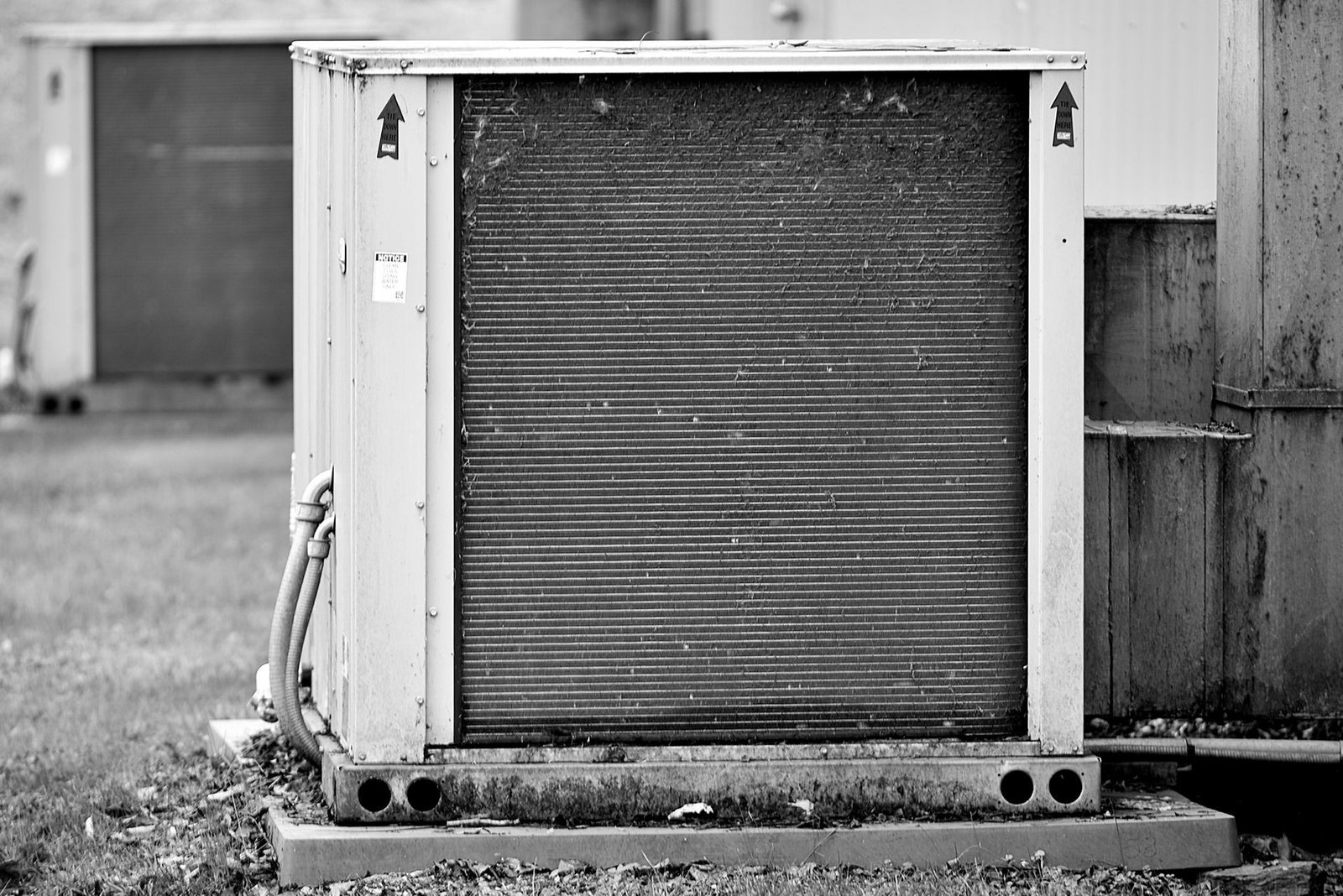
Why Is the Outside of My Refrigerator Hot?
On most modern refrigerators, the condenser coils are built into the side walls — so the sides get warm as the fridge dumps heat. Warm is normal. Too hot to touch comfortably is not. Excessive exterior heat means the system is working too hard to shed heat, and the causes are: dirty condenser coils (the #1 cause — dust insulates the coils so heat backs up into the cabinet walls), poor ventilation (fridge pushed flush against the wall or into a tight alcove with no airflow), a failing condenser fan motor, or the fridge running nonstop from another problem (bad gasket, low refrigerant, failed defrost). Olathe’s summer heat-index weeks make it worse — when the kitchen is 90°F, the fridge has no thermal margin. If the sides are suddenly much hotter than usual, something changed — usually the coils or the fan.
How Hot Is Too Hot?
Warm to the touch is normal — like a warm laptop. Uncomfortably hot, where you pull your hand away, is too hot. Also watch for asymmetry (one side blazing, the other cool can indicate a fan issue) and sudden change (sides that were warm last month and are scorching now mean something failed). When in doubt, check the coils and call us — an overworking fridge is a fridge heading for compressor failure.
Why Is My Fridge Sweating With Condensation?
Sweating — condensation beading on the exterior — happens when warm, humid air meets a cold surface. Some sweating in Olathe’s humid summers is normal, especially on the door edges. Heavy or new sweating means cold air is leaking out and chilling the exterior: the usual cause is a failing door gasket letting cold air escape around the seal. The mechanism: the gasket leaks, cold air pours out, the cold air chills the door exterior below the dew point, and room humidity condenses on it. Other contributors: the fridge set too cold, the kitchen very humid (canning season, no AC), or the anti-sweat heaters (small heaters in the door frame that prevent condensation) failing. Dollar-bill test the gaskets first — it is the most common fixable cause.
How Does a Fridge End Up Overheating Its Own Walls?
The mechanism is heat transfer under stress. Your fridge moves heat from inside the cabinet to the outside — through the condenser coils. When the coils are clean and ventilated, heat flows out efficiently and the walls feel warm. When coils are caked with dust, the heat cannot escape — so it soaks into the cabinet walls, which get hot. The compressor runs longer to compensate, generating more heat, which makes the walls hotter — a feedback loop. Poor ventilation does the same thing: heat pools around the fridge instead of dissipating. A dead condenser fan removes the forced airflow the system depends on. And when the fridge runs nonstop from a bad gasket or low refrigerant, there is simply more heat to dump than the walls were designed for. Every one of these is fixable — and every one, ignored, ends at the compressor.
How Do We Diagnose a Hot or Sweating Refrigerator?
We check the condenser coils first — if they are caked, we have likely found it. Then we verify ventilation clearance (2 to 3 inches behind and above, not shoved into an alcove), test the condenser fan motor, and dollar-bill test the door gaskets (for sweating complaints). We check whether the fridge is running nonstop and why — a fridge that never cycles has an underlying problem (gasket, defrost, refrigerant) that is generating the excess heat. We measure actual temperatures to confirm the fridge is holding 37 to 40°F despite the hot walls, or find that it is not. The fix matches the cause: coil cleaning, fan replacement ($200 to $300), gasket replacement ($100 to $350), or the underlying repair. You get a written estimate before any work begins, and the final price is confirmed after diagnosis.
What Can I Do About a Hot or Sweating Fridge Exterior?
Start with the safe DIY: unplug the fridge, pull it out, and vacuum the condenser coils with a brush attachment — then restore 2 to 3 inches of clearance on all sides. This resolves a large share of hot-wall complaints. Dollar-bill test the door gaskets; clean them with warm soapy water if they are grimy. Make sure the fridge is not pushed against a heat source (oven, sunny window, heating vent). Do not block the top or sides with storage. If the walls are still extremely hot after coil cleaning and ventilation, or if the condenser fan is not running, call us — the fan motor or an underlying problem needs professional diagnosis. Never open electrical panels yourself.
What Are the Dangers of a Hot or Sweating Exterior?
A hot exterior is a symptom of overwork, and overwork kills compressors — the $700 to $1,250 failure at the end of every ignored hot-wall complaint. Chronically overheated start components and wiring degrade; in extreme cases with a burning smell, unplug immediately and call us. Heavy sweating rots flooring as condensation drips down the front, and it signals cold-air loss that spoils food faster and grows mold in the damp gasket folds. None of this is an emergency tonight if the fridge is holding temperature — but it is an urgent service call, because the compressor is running on borrowed time. The food-safety angle: a fridge overworking from dirty coils may still hold 38°F today and fail in next week’s heat wave.
How Much Does It Cost to Fix?
Coil cleaning as a standalone visit is affordable — and it is included in our maintenance tune-up. If the cause is a failed condenser fan motor, expect $200 to $300. Gasket replacement runs $100 to $350. If the hot walls reveal an underlying problem (defrost failure, refrigerant issue), we quote that separately with a written estimate before any work — the final price is always confirmed after diagnosis. Our warranty applies: if the same problem returns within 3 days, we come back and re-repair it free.
How Can You Prevent Hot Walls and Sweating?
Vacuum the condenser coils every 6 months with the fridge unplugged — the single highest-value prevention. Maintain 2 to 3 inches of clearance on all sides; never push the fridge flush into an alcove. Dollar-bill test the gaskets twice a year. Keep the fridge out of direct sun and away from the oven. In Olathe’s humid summers, run the kitchen AC — lower room humidity means less sweating and less work for the fridge. Schedule a yearly maintenance tune-up: we clean the coils, test the fan and gaskets, and verify the system is not overworking.
Is It Worth Repairing?
Apply the 50% rule to whatever the diagnosis finds. Coil cleaning and gasket replacement pass on any fridge. A $250 fan motor passes on any working-age unit. If the hot walls reveal a dying compressor on a 14-year-old fridge, the math may favor replacement — and we will tell you honestly. Our repair vs replace guide has the framework.
What Parts Are Involved?
Condenser coils (cleaned), condenser fan motor (tested/replaced), door gaskets (tested/replaced), and whatever underlying part is causing nonstop running — defrost heater, thermostat, thermistor, or sealed-system components. We diagnose the heat before we quote the fix.
Frequently Asked Questions
Is it normal for the sides of my refrigerator to be hot?
Warm sides are normal — the condenser coils are built into the walls on many modern fridges, so the sides get warm as heat is dumped. They should feel warm, not painfully hot. If the sides are too hot to touch comfortably, or suddenly much hotter than usual, the fridge is overworking — usually dirty coils or poor ventilation. Call us if it is dramatically hot.
Why is my fridge sweating on the outside?
Condensation forms when warm, humid room air meets the cold fridge surface — and a failing door gasket makes it far worse by leaking cold air that chills the exterior. Olathe’s humid summers are peak sweating season. If the sweating is new or heavy, dollar-bill test the gaskets; a leaking seal is the most common fixable cause.
Can a hot refrigerator exterior cause a fire?
A hot exterior alone is not a fire — but it signals overwork, and chronic overwork overheats the compressor and start components, which can damage wiring over time. If the fridge is extremely hot AND you smell burning plastic, unplug it and call us immediately. Otherwise, treat extreme heat as an urgent service call, not an emergency.
Will cleaning the coils stop the sides from getting hot?
Often yes — dirty coils are the #1 cause of an overworking fridge, and cleaning them lets the system shed heat normally instead of baking the cabinet. Unplug the fridge, vacuum the coils with a brush attachment, restore clearance around the unit, and see if the sides cool down within a few hours. If they stay extremely hot, call us.
Do you clean condenser coils in Olathe?
Yes — coil cleaning is the highest-value maintenance we do. We vacuum the condenser coils thoroughly, check ventilation clearance, test the door gaskets, and verify the fridge is not overworking. It is included in our maintenance tune-up and available as a standalone visit.